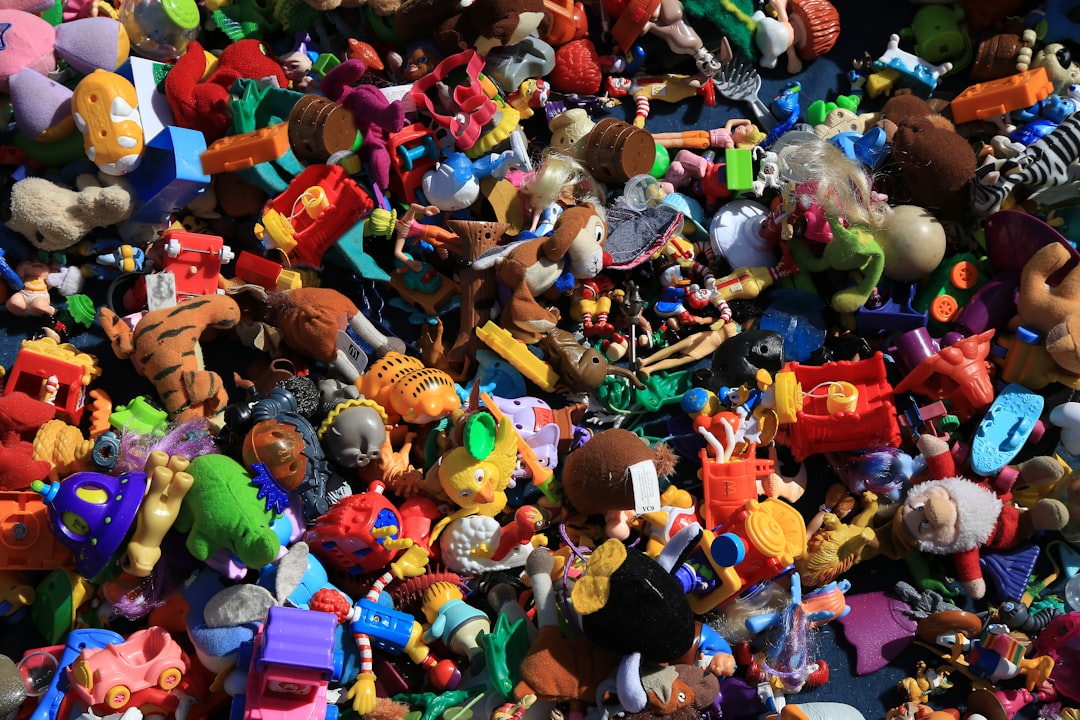
Toys are often seen as mere playthings, but the reality is that they hold significant value for both children and adults. At imaginationheart.com, we believe that a toy collection is not just about nostalgia; it’s about fostering creativity, emotional well-being, and even social connections. In this article, we will explore the many reasons why everyone should consider building their own toy collection, debunking common myths along the way.
Myth: Toys Are Just for Kids
Many people believe that toys are solely for children, a misconception that undermines the joy and benefits they can bring to adults as well. The truth is that toys can serve as a source of comfort and creativity for individuals of all ages. Collecting toys can evoke fond memories of childhood, providing a sense of nostalgia that can be both comforting and inspiring.
Moreover, adults often use toys as a means of stress relief. Engaging with toys can be a therapeutic activity, allowing individuals to unwind and tap into their imaginative side. Whether it’s building intricate models or playing with action figures, the act of playing can provide a much-needed escape from the pressures of daily life.
Myth: Toy Collecting Is a Waste of Money
Another common misconception is that investing in a toy collection is frivolous and wasteful. However, the truth is that many toys, especially vintage or limited-edition items, can appreciate in value over time. Collecting toys can be a smart financial decision, as certain pieces can become highly sought after by collectors, leading to significant returns on investment.
Additionally, the emotional value of a toy collection often outweighs its monetary worth. The joy of curating a collection, finding rare pieces, and sharing them with others can create lasting memories and connections. This aspect of collecting fosters a sense of community among enthusiasts, making it a rewarding hobby that goes beyond mere financial considerations.
Myth: Toys Are Just for Play
While toys are indeed designed for play, their benefits extend far beyond simple entertainment. Toys can be powerful educational tools that promote learning and development. For instance, building sets can enhance spatial awareness and problem-solving skills, while art supplies can encourage creativity and self-expression.
Furthermore, toys can facilitate social interaction and teamwork. Playing with others helps develop communication skills and fosters friendships. In a world where digital interactions are becoming more common, having tangible toys encourages face-to-face play, which is essential for developing social skills and emotional intelligence.
Myth: Collecting Toys Is Only for Hobbyists
Some may think that toy collecting is an activity reserved for dedicated hobbyists, but this is far from the truth. Anyone can start a toy collection, regardless of their level of expertise or interest. The beauty of collecting is that it can be tailored to individual preferences, whether one is passionate about action figures, dolls, or vintage board games.
Moreover, starting a collection can be a fun and engaging way to bond with family and friends. Sharing the experience of hunting for toys, discussing favorite pieces, and even attending toy fairs together can create lasting memories. Collecting toys can be a shared journey that brings people closer together, making it an inclusive activity for all.
Myth: Toys Are Just Clutter
Finally, many people view toys as mere clutter that takes up space in their homes. However, the truth is that a well-curated toy collection can serve as a beautiful display of art and history. Many toys are designed with intricate details and craftsmanship that deserve to be showcased.
Additionally, organizing and displaying a toy collection can be a creative endeavor in itself. From shelves to shadow boxes, there are countless ways to present a collection that reflects personal style and taste. Rather than viewing toys as clutter, consider them as cherished items that tell a story and contribute to the aesthetic of a living space.